
Adventure Touring Bike or Touring Motorcycle? The Key Differences Explained Simply (2026)
Planning longer motorcycle trips and wondering whether an Adventure Touring Bike or a Touring Motorcycle suits you better? Both types are designed for long distances but follow different concepts.
Here you’ll learn the key differences and find out which motorcycle best suits your riding style.
What is an Adventure Touring Bike?
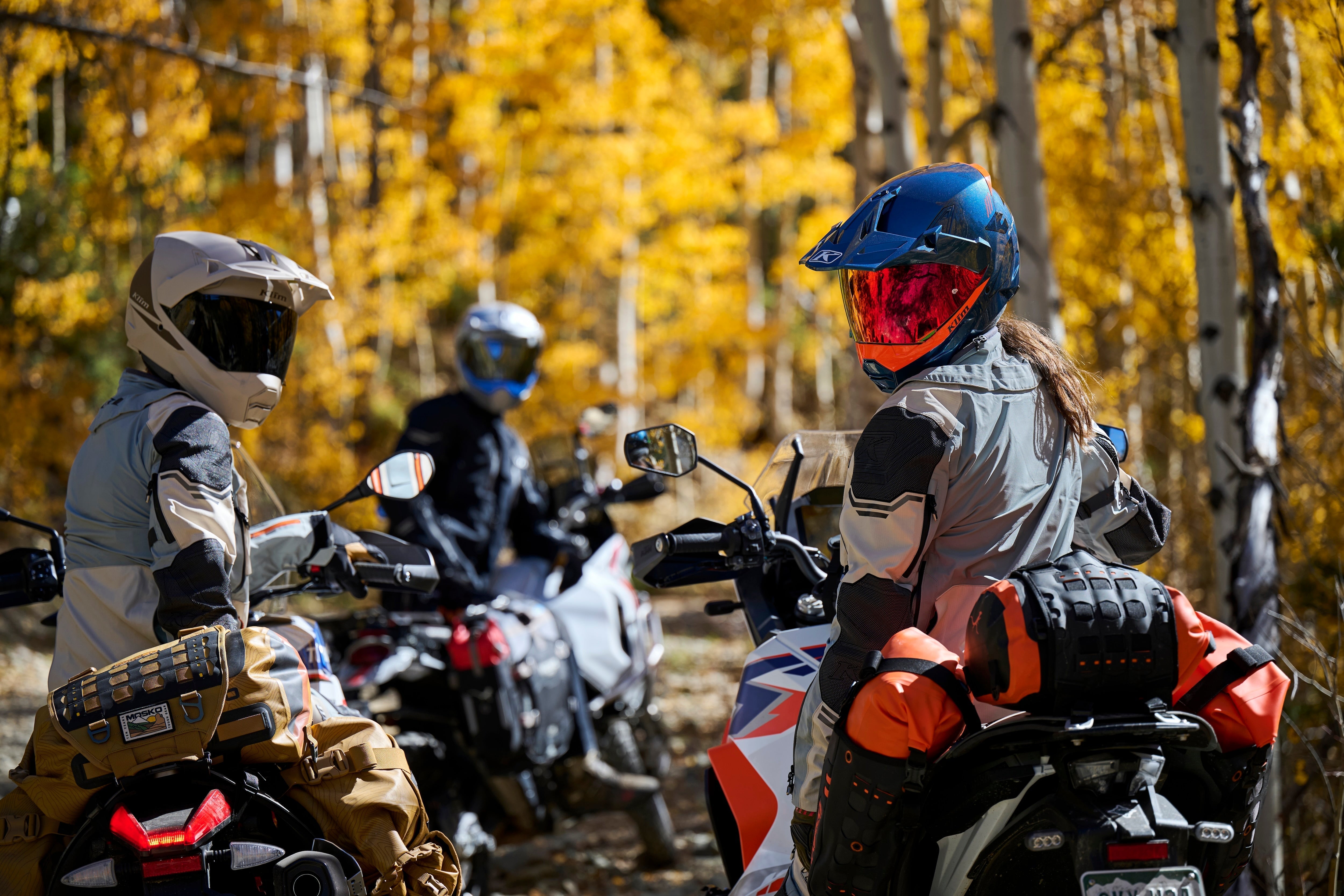
Adventure touring bikes, often called Adventure Bikes or ADV, combine road comfort with true off-road capability. They are suitable for asphalt, gravel roads, forest trails, and more challenging tracks.
Typical Examples Are:
-
BMW R 1300 GS
-
Honda Africa Twin
-
Yamaha Ténéré 700
-
KTM Adventure
-
Triumph Tiger
-
Suzuki V-Strom
Advantages
-
Very Versatile
-
At Home on Asphalt and Gravel
-
Upright Seating Position
-
Long Suspension Travel
-
High Ground Clearance
-
Wide Range of Accessories
Disadvantages
-
Higher Seat Height
-
Usually less wind protection
-
Slightly less comfortable on the highway than large tourers
What is a Touring Motorcycle?
Touring motorcycles are designed for maximum road performance and long-distance comfort. They are especially suitable for long highway stretches, traveling with a passenger, and carrying lots of luggage.
Well-Known Models Include:
-
BMW R 1250 RT
-
BMW R 1300 RT
-
Honda Gold Wing
-
Yamaha FJR1300
-
Kawasaki 1000SX
-
Moto Guzzi Norge (used)
Advantages
-
Excellent Wind Protection
-
Exceptional Seat Comfort
-
Ideal for Two People
-
Long Range
-
Extensive Comfort Features
Disadvantages
-
High Weight
-
Barely Suitable for Off-Road
-
Limited Ground Clearance
The Key Differences at a Glance
|
Adventure Touring Bike |
Touring Motorcycle |
|---|---|
|
Road and Off-Road |
Mainly Road |
|
Long Suspension Travel |
Comfort-Oriented Suspension |
|
High Seat Position |
Lower Seat Position |
|
High Ground Clearance |
Low Center of Gravity |
|
Spoked or Cast Wheels |
Mostly Cast Wheels |
|
Off-Road Capable |
Barely Suitable for Off-Road |
|
Robust and Versatile |
Maximum Comfort |
Riding Comfort
On good roads, touring motorcycles offer the highest comfort. Large fairings, wide seats, excellent wind protection, and often heated seats or cruise control make long highway stretches especially pleasant.
Adventure bikes have a more active seating position. The upright posture relieves the back and shoulders, and the long suspension travel ensures that bad roads or potholes are absorbed much better.
Off-road
This is where the adventure bike shows its greatest advantages.
Due to:
-
Longer suspension travel
-
21-inch front wheels on many models
-
Higher ground clearance
-
Enduro modes
-
Robust protective components
Can easily handle gravel roads, forest paths, and light off-road trails.
A classic touring motorcycle, on the other hand, is designed exclusively for paved roads.
Traveling with luggage
Both types of motorcycles are excellent for longer trips.
Touring motorcycles usually offer:
-
Larger luggage systems
-
Higher load capacity
-
Better weather protection
Adventure bikes score points for their flexibility. They can be equipped with aluminum cases or lightweight soft luggage and can go further where the asphalt ends.
Which motorcycle suits you?
Choose an adventure bike if you:
-
Want to ride gravel or off-road
-
Enjoy exploring small side roads
-
Prefer a high seating position
-
Want to be as versatile as possible on the road
-
Want to spontaneously discover new routes while traveling
Choose a touring motorcycle if you:
-
Ride almost exclusively on asphalt
-
Seek maximum comfort
-
Often travel with a passenger
-
Ride many highway miles
-
Value luxury equipment
Our conclusion
For most motorcycle travelers today, a adventure bike offers a wider range of use. It combines high long-distance comfort with the freedom to explore unpaved roads and remote regions.
Those who ride exclusively on the road and seek maximum comfort, the best wind protection, and luxurious equipment will be happier with a touring motorcycle.
Ultimately, your personal travel style decides – not the engine power or displacement.